


Plantronics Aviation Headset | Professional Flight Communication
We built the Plantronics aviation headset for pilots who demand reliable communication under pressure. Dual-ear passive noise reduction cuts ambient engine noise while maintaining crystal-clear voice transmission through a noise-canceling microphone. The lightweight frame and plush leatherette ear seals reduce fatigue during extended flights, and the flexible boom positions the mic exactly where you need it.
Whether you fly single-engine trainers or multi-crew aircraft, this headset integrates with standard GA panel jacks and includes dual plugs for quick cockpit setup. We designed every component—from the reinforced cable to the adjustable headband—to withstand the rigors of daily flight operations.
- Dual-ear passive noise reduction for clear communication in high-noise environments
- Noise-canceling electret microphone with flexible boom arm
- Plush leatherette ear seals and padded headband for all-day comfort
- Dual GA plugs (PJ-055 and PJ-068) for standard aviation panels
- Reinforced cable with strain relief at key stress points
Noise Reduction & Audio Clarity
Aviation environments push communication equipment to the limit. Our passive noise reduction system uses dense foam core ear seals wrapped in soft leatherette to block ambient cockpit noise while maintaining a comfortable seal around your ears. The dual-ear design ensures you hear ATC transmissions clearly even when engine noise peaks during climbs or maneuvers.
The electret condenser microphone picks up your voice with exceptional clarity while rejecting background noise. We positioned the mic element in a boom that flexes easily but holds position once adjusted, so you set it once and fly without distraction. The same reliable construction found in our professional wired headsets ensures consistent audio performance flight after flight.
Comfort Engineering for Extended Missions
Pilot fatigue isn’t just about flight hours—it’s about every piece of gear pressing on your head for that duration. We kept the total weight under 12 ounces by using a precision-formed stainless steel headband that distributes pressure evenly. The headband adjusts through six discrete positions to fit head sizes from small to extra-large without creating hot spots.
Leatherette ear seals feel soft against skin and breathe better than vinyl alternatives, which matters during summer flights in non-air-conditioned cockpits. The padding uses memory foam that conforms to your unique ear shape over the first few flights, then maintains that custom fit for years. Pilots report wearing this headset for four-hour cross-country legs without the ear soreness that cheaper models cause.
Cockpit Integration & Durability
Standard GA Connectivity
The dual-plug configuration matches the industry-standard general aviation setup: a PJ-055 microphone plug and a PJ-068 headphone plug. You’ll find these jacks in Cessnas, Pipers, Beechcraft, and most training aircraft. The plugs feature gold-plated contacts that resist corrosion even in humid coastal environments or after years of plugging and unplugging.
Built for Daily Flight Operations
We reinforced the cable at three critical stress points: where it exits each ear cup and where it splits into the dual plugs. Flight schools put hundreds of hours on our headsets each month, and the cable routing survives constant coiling, student handling, and the vibration of daily operations. The headband hinge uses a stainless steel pin rather than a plastic snap, eliminating the most common failure point we’ve seen in competitor models.
Other Plantronics Headsets for Professional Use




What people are saying
Common Questions About Our Aviation Headset
The standard model ships with dual GA plugs (PJ-055 and PJ-068) designed for fixed-wing general aviation panels. Most helicopters use either a U-174 plug or a different pin configuration. We offer a separate adapter cable that converts our GA plugs to helicopter panel standards. If you fly rotorcraft exclusively, contact us before ordering so we can confirm which adapter you'll need for your specific aircraft.
Passive noise reduction uses physical barriers—dense foam and tight ear seals—to block sound. It's effective across all frequencies but particularly good at cutting high-frequency engine whine. Active noise reduction (ANR) uses electronics to cancel low-frequency rumble, which some pilots find more fatiguing. Our passive system provides about 20-23 dB of noise reduction, while ANR models typically offer 25-30 dB. The tradeoff is simplicity, weight, and cost—passive headsets need no batteries, weigh less, and cost significantly less than ANR models.
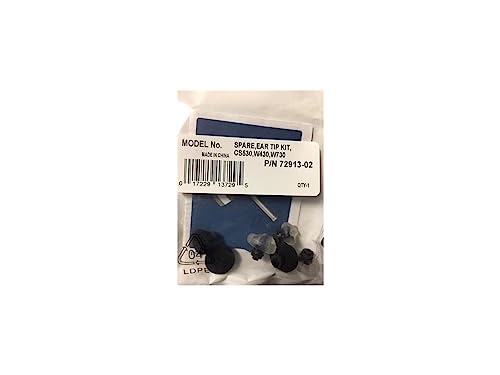
Yes, both the ear seals and the cable assembly are field-replaceable. Ear seals typically last 300-500 flight hours before the foam compresses enough to affect the noise seal. We sell replacement ear seal pairs that you can swap in about five minutes with no tools. The cable is more durable and rarely needs replacement, but if it does get damaged, we offer replacement cables with pre-installed plugs. Replacing wear items is always more economical than buying a new headset.
We cover the headset with a two-year warranty against defects in materials and workmanship. This includes the headband, boom arm, speakers, microphone, and cable assembly. Normal wear items like ear seals are excluded, as are damage from accidents, modifications, or commercial rental use. If you experience any issues during the warranty period, contact our support team and we'll repair or replace the headset at no charge. Many pilots fly these headsets for five years or more without needing warranty service.
The dual GA plugs are designed for standard aircraft panel jacks. Portable intercoms typically accept these same plug types, so yes, the headset will work with most aviation intercoms. Handheld radios use different connectors—usually a smaller 3.5mm or 2.5mm jack—so you would need an adapter cable to connect this headset to a handheld. We don't manufacture those adapters ourselves, but several third-party aviation suppliers offer them.
Position the microphone element about one finger width from the corner of your mouth, angled slightly toward your lips. Too close and you'll get breathing noise and plosives; too far and your voice level drops. The boom arm holds position once bent, so you can set it once and leave it. If you notice ATC asking you to repeat transmissions, check that the mic hasn't drifted away from your mouth. Some pilots prefer the mic on the left side, others on the right—the boom rotates to accommodate either preference.
The headset meets all general aviation audio standards for cockpit communication equipment. It's suitable for VFR and IFR flight, including checkrides and practical tests. The noise-canceling microphone provides clear transmissions that meet examiner expectations. Many flight schools use this model for instrument training because students can hear approach clearances and controller instructions clearly even in busy airspace. As long as your aircraft panel is functioning properly, this headset will deliver the audio performance you need for any flight operation.